Wednesday, October 23, 2024

Diamond Dust Proposed as Geoengineering Solution for Global Warming


A new study published in Geophysical Research Letters suggests that diamond dust could be an effective SRM material. The study compared seven compounds and found diamonds to be the most efficient for reflecting solar radiation. Researchers propose spraying five million tonnes of diamond dust annually into the upper atmosphere to achieve a temperature reduction of 1.6 degrees Celsius.

About Geoengineering

Geoengineering involves large-scale interventions to alter the Earth’s climate system. It aims to counteract global warming’s effects. Two main strategies exist: Solar Radiation Management (SRM) and Carbon Dioxide Removal (CDR). SRM focuses on reflecting solar radiation away from Earth, while CDR seeks to remove carbon dioxide from the atmosphere.

Solar Radiation Management Explained

SRM is a key area of interest. It involves deploying materials in the atmosphere or space to reflect sunlight. This can potentially reduce global temperatures. The concept draws inspiration from volcanic eruptions. When volcanoes erupt, they release sulphur dioxide, which forms particles that reflect sunlight. The 1991 Mount Pinatubo eruption is an example, as it temporarily lowered global temperatures by 0.5 degrees Celsius.

Carbon Dioxide Removal Technologies

CDR technologies focus on removing carbon dioxide from the atmosphere. Carbon Capture and Sequestration (CCS) is one such method. It captures CO2 emissions from industrial sources and stores them underground. Carbon Capture and Utilisation (CCU) uses captured CO2 for industrial processes. Direct Air Capture (DAC) extracts CO2 directly from the air. While these methods can help reduce atmospheric CO2, they face challenges and scalability issues.

Concerns with Carbon Capture Technologies

CCS technologies are not without flaws. Studies indicate that relying heavily on CCS to meet climate goals may be impractical and costly. The estimated cost of achieving climate targets primarily through CCS could exceed US$30 trillion compared to a focus on renewable energy. Additionally, finding safe storage sites for captured CO2 is becoming increasingly difficult.

The Future of Geoengineering


Despite the challenges, geoengineering remains a crucial area of research. With the visible impacts of climate change, solutions like SRM and CDR are gaining attention. There are no scenarios for meeting climate targets that do not involve some form of these technologies. Continued exploration and careful consideration of the implications are essential for any future implementation.


Website: International Research Awards on Civil and Environmental Engineering.

Visit: civil.scifat.com
NominateNow:https://civil-engineering-conferences.scifat.com/award-nomination/?ecategory=Awards&rcategory=Awardee
Twitter: x.com/LilyS2727
Facebook: facebook.com/civilengineeringaward/
YouTube: @EnvironmentalEngineering24


#Geoengineering
#DiamondDust
#ClimateChange
#GlobalWarming
#ClimateSolutions
#CarbonCapture
#SustainableFuture
#ClimateInnovation
#EnvironmentalEngineering
#GeoengineeringSolutions

Tuesday, October 22, 2024

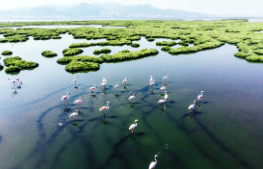
Wetlands Vital in Global Biodiversity Strategies


The UN Biodiversity Conference is currently underway in Cali, Colombia. A recent assessment by 35 percent ltd, commissioned by Wetlands International, marks the importance of wetlands in National Biodiversity Strategies and Action Plans (NBSAPs). This assessment follows COP15, where nations were urged to revise their biodiversity plans in line with the Kunming-Montreal Global Biodiversity Framework (KMGBF).

Importance of Wetlands

Wetlands are vital ecosystems. They provide essential services such as:Protecting and improving water quality.
Providing habitats for wildlife.
Storing floodwaters.

Maintaining surface water flow during dry periods.

These services support 40 percent of the world’s biodiversity. However, wetlands are disappearing faster than any other ecosystem.

Key Findings

The report revealed several important findings:83 percent of submitted NBSAPs explicitly mention wetlands, inland waters, or freshwater.
100 percent of submissions from Africa and Oceania included these terms.
Over 90 percent of European nations mentioned wetlands.

Wetlands are included under key targets related to the KMGBF:71 percent of plans articulate specific measures for restoration (Target 2).
50 percent include protections for wetlands (Target 3).

Despite these positive mentions, many NBSAPs lack specific, measurable targets for wetland conservation and restoration.

Specific Wetland Types

The review identified 16 NBSAPs that mentioned specific wetland types, including Mangroves, Rivers, Lakes, Peatlands Mangroves, rivers, and lakes were the most frequently mentioned, indicating their significance for environmental targets. However, major wetland areas like the Amazon River Basin and Hudson Bay Lowland were rarely addressed in national strategies. This oversight is concerning given their importance for biodiversity and climate regulation.

Need for Improvement


The report stresses the need for countries to better integrate wetlands into their biodiversity targets. Specific, measurable goals for wetland restoration and protection are essential. Focusing on key wetland areas will enhance regional and global ecological health.The UN Biodiversity Conference is currently underway in Cali, Colombia. A recent assessment by 35 percent ltd, commissioned by Wetlands International, marks the importance of wetlands in National Biodiversity Strategies and Action Plans (NBSAPs). This assessment follows COP15, where nations were urged to revise their biodiversity plans in line with the Kunming-Montreal Global Biodiversity Framework (KMGBF).


Website: International Research Awards on Civil and Environmental Engineering.

Visit: civil.scifat.com
NominateNow:https://civil-engineering-conferences.scifat.com/award-nomination/?ecategory=Awards&rcategory=Awardee
Twitter: x.com/LilyS2727
Facebook: facebook.com/civilengineeringaward/
YouTube: @EnvironmentalEngineering24


#Wetlands
#Biodiversity
#WetlandConservation
#EcosystemServices
#NatureConservation
#BiodiversityProtection
#WetlandRestoration
#SustainableEcosystems
#ProtectOurWetlands
#WetlandsMatter
#WetlandBiodiversity
#ClimateAction
#HabitatConservation
#WetlandWildlife
#EcosystemHealth


Monday, October 21, 2024

What is fourth global coral bleaching event (GCBE4)?


The fourth global coral bleaching event (GCBE4) began in January 2023. It is the most extensive and rapid coral bleaching event recorded. According to National Oceanic and Atmospheric Administration (NOAA), 99.9% of coral reefs in the Atlantic Ocean have experienced heat stress. This event has surpassed previous bleaching events from 2014 to 2017 by over 11%.

Comparison with Previous Events

The current event has unfolded in less time than GCBE3, which lasted three years and affected 65.7% of coral reefs. GCBE4 has impacted at least 77% of global reef areas in just 20 months. This rapid increase in bleaching is alarming and unprecedented.

Current Impact and Regional Examples

Reports confirm mass coral bleaching in 74 countries since February 2023. Regions like Palau, Guam, and Israel have documented bleaching. The Caribbean and South China Sea continue to experience high heat stress levels.

Climate Patterns and Their Influence

Strong El Niño events often lead to severe bleaching. However, recent events have shown that bleaching can also occur during La Niña phases. This indicates a shift in ocean temperatures, making reefs vulnerable regardless of the ENSO phase.

Future Assessments and Delayed Impact

The full impact of GCBE4 may take years to understand. Scientists need to conduct extensive in-water monitoring and field assessments. These evaluations usually happen months after the bleaching event subsides
.
Coral Mortality Timeline

Coral mortality can begin rapidly during marine heatwaves. Sensitive species may die within days to weeks. However, the complete consequences of bleaching often unfold over one to two years. Corals may become immunocompromised and more susceptible to disease after heat stress.

Historical Context of Coral Mortality

During the 2005 bleaching event in the US Virgin Islands, many corals initially survived but later succumbed to diseases. This led to an important decline in coral cover. Current studies from the Mexican Pacific indicate mortality rates of 50-93% in certain regions.

Call for Action

In light of this extensive coral bleaching, scientists and the UN are advocating for an emergency session on coral reefs. This will take place during the Convention on Biological Diversity summit (COP16) in Cali, Colombia. The urgency reflects the need for immediate action to address the crisis facing coral ecosystems worldwide.


Website: International Research Awards on Civil and Environmental Engineering.

Visit: civil.scifat.com
NominateNow:https://civil-engineering-conferences.scifat.com/award-nomination/?ecategory=Awards&rcategory=Awardee
Twitter: x.com/LilyS2727
Facebook: facebook.com/civilengineeringaward/
YouTube: @EnvironmentalEngineering24


#CoralBleaching
#GCBE4
#CoralReefs
#ClimateChange
#OceanConservation
#ProtectOurReefs
#MarineEcosystems
#SaveCoralReefs
#CoralRestoration
#BleachingAlert
#ClimateCrisis
#SustainableOceans
#CoralHealth
#CoralReefProtection
#MarineBiodiversity

Saturday, October 19, 2024

Expensive Farmed Salmon Threatens Affordable Fish Access Globally


A study published on October 16, 2024, in Science Advances, explores how the rising demand for farmed salmon is making it harder for coastal communities to access affordable fish. The research, led by Patricia Majluf from Cayetano Heredia University, focuses on how small fish, known as forage fish, are being used to make fishmeal and fish oil (FMFO) for aquaculture (fish farming).

Key Issues with Reduction Fisheries

Reduction fisheries are fisheries where small fish, like anchovies or sardines, are caught specifically to be turned into fishmeal and fish oil, rather than being eaten by people. These fisheries make up a large portion of the global fish catch. 12 of the world’s top 20 fisheries target these small species. One of the biggest is the Peruvian anchoveta, which is mostly used to produce FMFO. This has created challenges for local communities who rely on these fish for food.

Understanding the Fish-in-Fish-out (FIFO) Ratio

The FIFO ratio is used to measure how much wild fish is needed to produce farmed fish. The study points out that some in the aquaculture industry are not fully honest about how much wild fish, like anchoveta, is required to feed farmed fish, particularly carnivorous fish like salmon. While the industry claims they are using less fishmeal in feeds, there is still a high demand for fish oil, especially for farmed salmon, which is eaten in large quantities worldwide.

Concerns About Sustainability

Climate change is making it harder to maintain healthy fish populations, especially important species like the Peruvian anchoveta. Overfishing, particularly catching young fish before they can reproduce, is further harming these populations. This has caused some feed producers to look for other sources, including fish that are typically eaten by people, to maintain the fish oil supply.

Recommendations for the Aquaculture Industry

The study recommends that the aquaculture industry find alternatives to using fishmeal and fish oil in fish feeds. This would help make fish farming more sustainable and ensure that coastal communities can continue to rely on fish as a critical food source. Improving the sustainability of fish feeds is important for both protecting the environment and ensuring that vulnerable communities have access to affordable fish.


Website: International Research Awards on Civil and Environmental Engineering.

Visit: civil.scifat.com
NominateNow:https://civil-engineering-conferences.scifat.com/award-nomination/?ecategory=Awards&rcategory=Awardee
Twitter: x.com/LilyS2727
Facebook: facebook.com/civilengineeringaward/
YouTube: @EnvironmentalEngineering24


#FarmedSalmon
#AffordableFish
#SustainableFishing
#SeafoodAccess
#FishFarming
#FoodSecurity
#Aquaculture
#WildCaughtVsFarmed
#SeafoodSustainability
#GlobalFishMarket
#HealthyEating
#AquaticEcosystems
#MarineConservation
#FishingIndustry
#EconomicImpact
#ConsumerChoices
#FoodJustice
#SeafoodPrices
#FisheriesManagement
#NutritionAccess

Friday, October 18, 2024

New Temperature Regimes Threaten Tropical Forest Biodiversity Areas


A study published in Conservation Letters shows that up to 66% of Key Biodiversity Areas (KBAs) in tropical forests are now experiencing new, extreme temperature changes. These changes could severely affect the diverse plant and animal life in these critical ecosystems.

What are Key Biodiversity Areas (KBAs)

KBAs are areas that are very important for maintaining global biodiversity. They include land, freshwater, and marine ecosystems. These areas are a top priority in conservation plans, especially in the post-2020 global biodiversity framework, which was adopted in December 2022.

Global Biodiversity Framework

The Kunming-Montreal Global Biodiversity Framework is a plan to stop and reverse biodiversity loss by 2030. One of its goals is to protect at least 30% of the world’s land by 2030, and KBAs are a big part of this effort.

Temperature Changes and Their Impact

The study found that new average annual temperatures have impacted KBAs in tropical forests differently depending on the region:72% in Africa
59% in Latin America
49% in Asia and Oceania

These changing temperatures can threaten species in tropical forests, which are used to very stable climates under the forest canopy.

Regional Findings

The study revealed that 2.9% of KBAs in Latin America and 4.9% in Asia and Oceania are experiencing nearly completely new temperature patterns. Areas in Ecuador, Colombia, the Philippines, and Indonesia are particularly affected, while northern Australia’s tropical forests have seen fewer temperature changes.

Protection of KBAs

Currently, about 34% of tropical forest KBAs are not facing these extreme temperature shifts, and more than half of these are protected. However, in Asia and Oceania, 23% of KBAs that have not yet experienced these temperature changes lack protection.

What Needs to be Done

The authors of the study stress the need for ‘climate-smart’ policies to protect these crucial areas. These policies should focus on stopping deforestation, restoring large forest areas, and addressing the effects of climate change and habitat degradation. Without these actions, the biodiversity in affected KBAs could suffer greatly.


Website: International Research Awards on Civil and Environmental Engineering.

Visit: civil.scifat.com
NominateNow:https://civil-engineering-conferences.scifat.com/award-nomination/?ecategory=Awards&rcategory=Awardee
Twitter: x.com/LilyS2727
Facebook: facebook.com/civilengineeringaward/
YouTube: @EnvironmentalEngineering24


#TropicalForests
#Biodiversity
#ClimateChange
#ForestConservation
#ClimateImpact
#EcologicalThreats
#SpeciesAtRisk
#SustainableForestry
#ClimateAdaptation
#TropicalEcosystems


Thursday, October 17, 2024

New Target for Cancer Treatment Discovered by Scientists


Scientists at the Indian Association for the Cultivation of Science (IACS) in Kolkata have made a promising discovery in cancer treatment. They found that by targeting an enzyme involved in DNA repair, called TDP1, they might help improve outcomes for patients whose cancer has become resistant to current therapies. This discovery could lead to new combination treatments for cancer.

Key Proteins: TDP1 and CDK1

The research focuses on two important proteins: TDP1 and Cyclin-dependent kinase 1 (CDK1).

TDP1: This enzyme repairs damage caused by Top1 inhibitors, helping cancer cells recover from drug treatments.

CDK1: This protein is crucial for controlling the cell cycle, especially when cells are getting ready to divide.

When CDK1 adds a phosphate group to TDP1 (a process called phosphorylation), it makes TDP1 better at fixing DNA damage, allowing cancer cells to survive treatments that aim to damage their DNA.
How the New Therapy Works

The scientists found that blocking CDK1 could stop TDP1 from repairing the cancer cells’ DNA, making it easier to kill those cells with Top1 inhibitors. This combination therapy using both CDK1 inhibitors and Top1 inhibitors could make cancer treatments much more effective, especially in cases where the cancer has become resistant.

What Does This Mean for Cancer Treatment

This discovery is exciting because it offers a potential new way to treat cancers that no longer respond to existing drugs. By stopping cancer cells from repairing their damaged DNA, this combination therapy could increase the chances of killing the cancer cells.

More studies are underway to test this treatment in animals. If successful, it could lead to new precision medicine treatments, where therapies are tailored to attack specific weaknesses in cancer cells, like their DNA repair mechanisms.

What is TDP1

TDP1 is an enzyme that helps repair DNA breaks, specifically when there is damage caused by Top1 inhibitors. It’s found in humans, yeast, and bacteria, and plays a big role in fixing the damage caused during DNA replication. Understanding how TDP1 works is important, as it could lead to better cancer treatments by targeting DNA repair systems in cancer cells.


Website: International Research Awards on Civil and Environmental Engineering.

Visit: civil.scifat.com
Nominate Now: https://civil-engineering-conferences.scifat.com/award-nomination/?ecategory=Awards&rcategory=Awardee
Twitter: x.com/LilyS2727
Facebook: facebook.com/civilengineeringaward/
YouTube: @EnvironmentalEngineering24


#CancerResearch
#Oncology
#CancerTreatment
#CancerTherapy
#MedicalResearch
#NewTargets
#InnovativeMedicine
#PrecisionMedicine
#FightCancer
#CancerAwareness
#CancerBreakthrough
#PharmaceuticalResearch

Wednesday, October 16, 2024

Researchers Develop Efficient Photocatalyst to Degrade Antibiotics

https://civil-engineering-conferences.scifat.com/


Scientists have made an exciting breakthrough in photocatalysis, developing a new catalyst that can efficiently break down sulfamethoxazole (SMX), a common antibiotic. This discovery is important because it addresses growing concerns about how antibiotics in the environment can harm both ecosystems and human health

Why is Antibiotic Contamination a Problem

When antibiotics like SMX enter the environment, they create several issues:

Antibiotic Resistance: The overuse of antibiotics in nature can lead to the development of bacteria that are resistant to treatment, making infections harder to cure.

Ecological Impact: These antibiotics can disrupt the balance of local ecosystems, affecting plants, animals, and microorganisms.

Human Health: Long-term exposure to antibiotics in contaminated water can affect human health, potentially leading to health problems.

How was the Catalyst

These materials were processed through a hydrothermal reaction, which involves heating them in water to form the catalyst.
The final product is made from earth-abundant elements, meaning it’s cheap, safe, and environmentally friendly.

How does it work

The new CZTS-WS2 composite works by breaking down sulfamethoxazole into less harmful substances. Key features include

Degradation Mechanism: The catalyst transforms SMX into safer by-products, reducing its harmful impact on the environment.

Reusability: The catalyst remains effective even after multiple uses, which means it can be used over and over, making it cost-efficient.

How was it tested

To test the catalyst’s ability to break down SMX, scientists used Liquid Chromatography-Mass Spectrometry (LC-MS), which helps identify the substances formed during the breakdown process. This analysis showed that the catalyst produced less harmful intermediates.

Catalyst Performance

The results were impressive:The catalyst showed over 80% efficiency in scavenging free radicals (unstable molecules that can cause damage).
It also demonstrated antibacterial properties, meaning it could help reduce the presence of harmful bacteria in the environment.

This new CZTS-WS2 composite catalyst offers a promising solution for breaking down antibiotic pollution. It can potentially improve the way we manage antibiotic residues in the environment, reducing the associated risks to ecosystems and human health.


Website: International Research Awards on Civil and Environmental Engineering.

Visit: civil.scifat.com
Nominate Now: https://civil-engineering-conferences.scifat.com/award-nomination/?ecategory=Awards&rcategory=Awardee
Twitter: x.com/LilyS2727
Facebook: facebook.com/civilengineeringaward/
YouTube: @EnvironmentalEngineering24


#SustainableBIM
#BIMForInfrastructure
#IntegratedProjectDelivery
#BIMAndSustainability
#DigitalEngineering

Abhay Chavan | Construction Management | Best Researcher Award #WorldResearchAwards

  Abhay Chavan is a researcher affiliated with the University of Oklahoma whose academic work focuses on construction management, offsite c...