Monday, November 25, 2024

Discovery of New Giant Radio Galaxy


Astronomers have recently made discovery in the field of astrophysics and used the MeerKAT radio telescope to study giant radio galaxies in the COSMOS field. A new giant radio galaxy was identified, expanding our understanding of these cosmic phenomena. This finding was published on November 11 in a research paper on arXiv.

What are Giant Radio Galaxies?

Giant radio galaxies (GRGs) emit radio waves across vast distances, which typically extend over 2.3 million light years. GRGs are rare and often found in low-density regions of space. Their structure includes jets and lobes composed of plasma. GRGs help scientists learn about radio source formation and evolution.

The MeerKAT Radio Telescope

The MeerKAT telescope is located in South Africa and is particularly effective for studying GRGs at high frequencies, around 1.0 GHz. The telescope’s capabilities enhance the analysis of these galaxies. It is part of the MeerKAT International GHz Tiered Extragalactic Exploration (MIGHTEE) survey.

Kathleen Charlton and her team conducted the research. They created detailed maps of three GRGs using data from MeerKAT’s UHF band and MIGHTEE L-band. One of these galaxies was previously unknown. It was designated as MGTC J100022.85+031520.4.

Characteristics of the New GRG

The new GRG is hosted by an elliptical galaxy, SDSS J100022.85+031520. This galaxy is about 1.1 billion light years away. Its size measures approximately 4.2 million light years. It has a mass 93 trillion times that of the Sun. The power output is 597 ZW/Hz at 1,284 MHz. The galaxy is estimated to be one billion years old.

MGTC J100022.85+031520.4 is the central galaxy in the cluster WHL J100022.9+031521. Its position and the bent shape of its top lobe suggest features similar to wide-angle-tail (WAT) radio sources. WATs are typically found in clusters where gas pressure influences their structure. This discovery contributes to the understanding of GRGs in cluster environments.


Website: International Research Awards on Civil and Environmental Engineering.

Visit: civil.scifat.com
NominateNow:https://civil-engineering-conferences.scifat.com/award-nomination/?ecategory=Awards&rcategory=Awardee
Twitter: x.com/LilyS2727
Facebook: facebook.com/civilengineeringaward/
YouTube: @EnvironmentalEngineering24


#GiantRadioGalaxy
#GRGDiscovery
#NewGRG
#AstronomyNews
#RadioAstronomy
#CosmicDiscovery
#AstronomyBreakthrough
#SpaceExploration
#GalacticDiscovery
#RadioWaves

Thursday, November 21, 2024

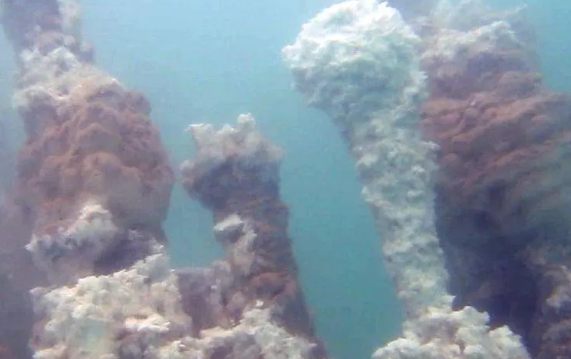
Unique Mineral Chimneys Discovered in the Dead Sea Floor


Researchers have discovered unique mineral chimneys on the Dead Sea floor, which are a result of highly salty groundwater. The findings were published in Science of the Total Environment. This discovery may help predict dangerous sinkholes in the region.

Characteristics of the Chimneys

The chimneys can reach heights of up to 7 meters, that can grow several centimeters daily. Their widths range from 2 to 3 meters. The structures resemble ocean floor smokers, but they emit salty fluids instead of hot water.
Formation Process

Chimneys form when salty groundwater rises from below. This water mixes with the Dead Sea’s brine. The dissolved salts, mainly halite, crystallize rapidly. The process creates the chimney-like structures observed.

Environmental Context

The Dead Sea has been shrinking for over 50 years. It loses approximately 1 meter of water annually. Reduced river inflow and high evaporation rates contribute to this decline. The current surface level is about 438 meters below sea level.

Sinkhole Risks

Sinkholes are large craters that form when salt layers dissolve. Thousands have appeared around the Dead Sea, some reaching widths of 100 meters. They pose risks to lives, agriculture, and infrastructure. The chimneys can indicate areas prone to sinkhole formation.

Future Research Directions


Scientists recommend using autonomous watercraft with sonar systems. These tools can map the chimneys effectively. Identifying vulnerable regions may enhance sinkhole prediction and management. This research provides hope for better understanding this dynamic environment.


Website: International Research Awards on Civil and Environmental Engineering.

Visit: civil.scifat.com
NominateNow:https://civil-engineering-conferences.scifat.com/award-nomination/?ecategory=Awards&rcategory=Awardee
Twitter: x.com/LilyS2727
Facebook: facebook.com/civilengineeringaward/
YouTube: @EnvironmentalEngineering24


#DeadSea
#MineralChimneys
#SeafloorDiscovery
#GeologicalPhenomenon
#HydrothermalVents
#SaltDeposits
#DeadSeaResearch
#UnderwaterGeology
#GeothermalActivity
#BrinePools
#MineralFormation
#DeepSeaExploration
#RareMinerals
#DeadSeaExploration
#EnvironmentalScience
#SubsurfaceLife
#SaltCrystals
#HydrothermalMinerals
#TectonicPlates
#GeochemicalResearch

Wednesday, November 20, 2024

Protecting Global Pollinators – Key Facts


Pollinators are vital for agriculture and food security as they contribute to over 75% of food crops and flowering plants but these small insects face numerous threats including pesticides, pollution, climate change, and habitat loss which exacerbates these challenges.

Importance of Diverse Pollinator Habitats

Diverse habitats with ample flowers can reduce disease spread among pollinators. When pollinators share habitats, they risk transmitting pathogens. A study in Switzerland revealed elevated pathogen levels in wild bees sharing flowers with managed honey bees.

Pathogen Spillover and Spillback

Pathogen spillover occurs when diseases transfer from managed to wild pollinators. This can lead to increased virus prevalence in wild species. Managed honey bees can carry viruses that infect wild populations, worsening their health. Research indicates that this phenomenon is important in regions with overlapping habitats.

Bees in India

India hosts over 700 bee species, including four native honey bees. Western honey bees were introduced in 1983 to enhance honey production. A important virus outbreak in the early 1990s devastated Asiatic honey bee colonies. The Thai sacbrood virus, which emerged again in 2021, poses a severe threat to these bees.

Impact of Managed Honey Bee Migration


Managed honey bees frequently migrate across India, which aims to access better floral resources. However, it can disrupt local bee populations. Increased competition and disease spread have been observed. In Kolhapur, the arrival of western honey bees led to local population declines and reduced honey production.

Experts call for more research on bee diseases and pollinator health. Monitoring managed honey bee colonies may help control disease transmission. About viral threats, such as the Thai sacbrood virus, is crucial. Research on pollinator ecology will aid in developing strategies to combat climate change and habitat loss.


Website: International Research Awards on Civil and Environmental Engineering.

Visit: civil.scifat.com
NominateNow:https://civil-engineering-conferences.scifat.com/award-nomination/?ecategory=Awards&rcategory=Awardee
Twitter: x.com/LilyS2727
Facebook: facebook.com/civilengineeringaward/
YouTube: @EnvironmentalEngineering24


#SaveThePollinators
#ProtectPollinators
#PollinatorProtection
#BeeTheChange
#SaveBees
#PollinatorConservation
#GlobalPollinators
#BiodiversityMatters
#SupportPollinators
#BeeFriendly

Tuesday, November 19, 2024

Temperate Rainforests Face Severe Climate Threats


Recent research marks that over 68 percent of these ecosystems could vanish by 2100 if current greenhouse gas emissions continue, which is termed ‘business-as-usual.’ Temperate rainforests are unique and vital, yet they occupy less than one percent of the Earth’s land surface
.
Importance of Temperate Rainforests

These forests support diverse species and store substantial carbon, which is crucial for mitigating climate change impacts. Their unique ecosystems are found in specific regions, including parts of Canada, the US, Chile, Japan, Australia, New Zealand, and the UK

Historical Context and Current Status

Approximately 43 percent of temperate rainforests have already been lost due to deforestation. Only 37 percent of primary old-growth forests remain. Regions like Europe have seen nearly complete loss of these ecosystems.

Vulnerability to Climate Change

Temperate rainforests thrive in cool, moist climates. Rising summer temperatures threaten their survival. The research warns that unmitigated climate change could lead to disaster for these forests globally.

Need for Protection and Restoration


The study stresses the urgent need for conservation efforts. Protection and restoration of temperate rainforests are critical. This includes addressing ongoing degradation and safeguarding remaining forest areas.


The research may underestimate the impacts of climate change. It does not fully account for extreme weather events like landslides and heatwaves. These factors could further accelerate the decline of temperate rainforests.

The Role of Microclimates

Intact forests typically create cooler microclimates, which can mitigate warming impacts. However, fragmented forests are more susceptible to temperature increases.

Isolated and edge forests are particularly vulnerable. Maintaining intact forest ecosystems is essential for their resilience against climate change. The future of temperate rainforests hinges on immediate and effective conservation strategies.


Website: International Research Awards on Civil and Environmental Engineering.

Visit: civil.scifat.com
NominateNow:https://civil-engineering-conferences.scifat.com/award-nomination/?ecategory=Awards&rcategory=Awardee
Twitter: x.com/LilyS2727
Facebook: facebook.com/civilengineeringaward/
YouTube: @EnvironmentalEngineering24


#TemperateRainforests
#SaveRainforests
#ClimateChange
#ForestConservation
#ProtectOurForests
#RainforestProtection
#ClimateCrisis
#EcoThreats
#Deforestation
#BiodiversityLoss
#SaveOurForests
#SustainableForestry
#ForestSustainability
#ActOnClimate
#ProtectTheEarth
#NatureConservation
#GlobalWarmingImpact
#TemperateForests
#CarbonSink
#RainforestClimateThreats

Saturday, November 16, 2024

Tata Power’s Major Floating Solar Project Launched


Tata Power Renewable Energy Limited (TPREL) has recently commissioned an important floating solar project in India. The Omkareshwar floating solar installation has a capacity of 126 megawatts (MW) and is located in Madhya Pradesh, strategically positioned between two hydroelectric reservoirs. This project marks a substantial advancement in renewable energy technology.

Project Overview

The Omkareshwar project is one of India’s largest floating solar installations. It has been developed under an engineering procurement and construction (EPC) contract worth ₹596 crore, awarded by NHPC. The project aims to supply sustainable power to the Madhya Pradesh Power Transmission Company Limited (MPPTCL).

Technical Specifications

The installation features 213,460 bifacial glass-to-glass solar modules. It generates approximately 204,580 megawatt-hours (MWh) of energy annually. This project also contributes to important carbon offsetting, reducing CO₂ emissions by 173,893 tonnes each year.

Environmental Considerations

The project addresses various environmental challenges. It has successfully navigated fluctuating water levels, high winds, and limited site access. The design includes robust mooring systems, wave breakers, ballast anchors, and adaptive cableways to ensure stability and operational efficiency.

Global Benchmark

The Omkareshwar floating solar project sets a new standard in floating solar technology. It includes the world’s largest inverter floating platform, covering an area of 260 hectares. This achievement establishes a benchmark for future floating solar installations globally.

Future Prospects

TPREL’s total renewable energy capacity now stands at 10.9 gigawatts (GW). This includes 5.6 GW of projects in various stages of implementation. The operational capacity has reached 5.3 GW, comprising 4.3 GW from solar and 1 GW from wind energy.

Industry Impact


The collaboration between TPREL and NHPC marks the potential of floating solar technology. It demonstrates how innovative solutions can provide clean energy while preserving vital water resources. This project serves as a blueprint for future renewable energy developments in India and beyond.


Website: International Research Awards on Civil and Environmental Engineering.

Visit: civil.scifat.com
NominateNow:https://civil-engineering-conferences.scifat.com/award-nomination/?ecategory=Awards&rcategory=Awardee
Twitter: x.com/LilyS2727
Facebook: facebook.com/civilengineeringaward/
YouTube: @EnvironmentalEngineering24


#FloatingSolar
#RenewableEnergy
#SolarPower
#CleanEnergy
#Sustainability
#SolarInnovation
#GreenEnergy
#FloatingSolarEnergy
#CleanTech
#SustainableFuture
#SolarProjects
#EnergyTransition
#IndiaSolar
#SolarEnergyIndia
#FloatingSolarFarm
#SolarTechnology
#EnvironmentalSustainability
#RenewableProjects
#FutureOfEnergy
#TataPowerSolar
#SolarEnergyRevolution
#EcoFriendlyEnergy
#GreenTech
#SolarPowerIndia
#SolarInnovationIndia
#SustainableEnergySolutions
#SolarEnergyFuture
#CleanTechInnovation
#ClimateAction
#NetZeroEnergy
#IndiaGreenEnergy
#RenewablesInIndia
#RenewableSolutions
#TataPowerSustainability
#RenewableIndia
#SolarPowerForAll
#InnovativeEnergySolutions
#SolarFarming
#GreenEnergyRevolution

Friday, November 15, 2024

H5N1 Outbreak Devastates Elephant Seal Population


The H5N1 strain of avian influenza has caused important mortality among elephant seals. Over 17,000 seals have died within a year. The outbreak has severely impacted breeding populations, particularly in Patagonia, Argentina. Research published in Nature Communications outlines the virus’s spread and its consequences.

Impact on Elephant Seals

The outbreak has led to the deaths of 95 percent of elephant seal pups born in 2023. The peak mortality occurred between September and October. At least 35 adult and subadult seal carcasses were recorded at Península Valdés. This UNESCO World Heritage site is crucial for marine wildlife conservation.

The mortality event has altered the social structure of elephant seals. Mature alpha males are being replaced by subadults. The number of breeding females has also declined rapidly. This shift may have long-term effects on the population dynamics.


The breeding population is expected to see a low birth rate in 2024. Even if most adult females survived, the reproductive population has been drastically reduced.

Evolution of H5N1 Strain

Researchers have identified a novel marine mammal clade of the H5N1 HPAI virus. This clade shows mutations that enhance its ability to infect mammals. It retains the ability to infect avian hosts as well. The H5N1 viruses in Argentina belong to the B3.2 genotype.

The study indicates multiple spillover events from wild birds to marine mammals. There have been four independent spillback instances from marine mammals to coastal birds. These events raise concerns about the virus’s adaptability and potential public health risks.

Recommendations for Future Strategies


Researchers advocate for holistic strategies that link human, animal, and environmental health. Safeguarding biodiversity and promoting sustainable practices are essential. Improved global resilience against emerging infectious diseases is crucial.


Website: International Research Awards on Civil and Environmental Engineering.

Visit: civil.scifat.com
NominateNow:https://civil-engineering-conferences.scifat.com/award-nomination/?ecategory=Awards&rcategory=Awardee
Twitter: x.com/LilyS2727
Facebook: facebook.com/civilengineeringaward/
YouTube: @EnvironmentalEngineering24


#H5N1SealOutbreak
#ElephantSealCrisis
#SealPandemic
#H5N1Impact
#SealPopulationDecline
#H5N1InSeaLife
#SealHealthEmergency
#ElephantSealConservation
#ProtectMarineWildlife
#H5N1Spread

Thursday, November 14, 2024

Mnemiopsis leidyi: The Time-Traveling Comb Jelly


Recent research has revealed a remarkable phenomenon in marine biology. A newly identified species of comb jelly, known scientifically as Mnemiopsis leidyi, possesses the extraordinary ability to reverse its aging process. This challenges long-standing beliefs about the life cycles of animals.

The Discovery Process

Joan J Soto-Angel, a co-author of the study, encountered an unexpected larval form of a comb jelly in his lab. This larva was an adult that had reverted to an earlier developmental stage. This surprising observation prompted further investigation into the conditions that triggered this de-ageing process.

Experimental Findings

Researchers subjected adult comb jellies to extreme stress. The results demonstrated that these jellies could regress to a larval stage. Over several weeks, they not only changed their physical characteristics but also altered their feeding behavior to that typical of larval forms.

Implications for Biological Research

This discovery raises important questions about animal development and life cycle plasticity. The ability of comb jellies to effectively ‘time travel’ biologically could provide vital information about the evolutionary history of animals. It suggests that such regenerative capabilities may be more widespread across various species than previously thought.

Other Species with Similar Traits

The comb jelly is not alone in its ability to reverse development. Turritopsis dohrnii, commonly known as the immortal jellyfish, also exhibits this remarkable trait. These species provide a fascinating glimpse into the potential for biological rejuvenation in the animal kingdom.

Future Research Directions

The findings from this study could have deep implications for understanding the ageing process in humans. Researchers are eager to explore the molecular mechanisms behind reverse development. Investigating the changes in the animal’s nerve net during this process will also be critical for future studies.


This research opens up new avenues for exploration in developmental biology. The potential applications of understanding these mechanisms could lead to important advancements in both scientific knowledge and practical applications in medicine and biology.


Website: International Research Awards on Civil and Environmental Engineering.

Visit: civil.scifat.com
NominateNow:https://civil-engineering-conferences.scifat.com/award-nomination/?ecategory=Awards&rcategory=Awardee
Twitter: x.com/LilyS2727
Facebook: facebook.com/civilengineeringaward/
YouTube: @EnvironmentalEngineering24


#MnemiopsisLeidyi
#TimeTravelingCombJelly
#CombJelly
#MarineLife
#MarineBiology
#Bioluminescence
#InvasiveSpecies
#OceanScience
#MarineEcology
#MarineResearch
#Jellyfish
#AquaticInvasions
#OceanConservation
#MarineWonders
#PlanktonLife
#OceanExploration
#UnderwaterDiscovery
#CoastalEcosystems
#MarineEnvironment
#MarineOrganisms

Abhay Chavan | Construction Management | Best Researcher Award #WorldResearchAwards

  Abhay Chavan is a researcher affiliated with the University of Oklahoma whose academic work focuses on construction management, offsite c...