Monday, July 28, 2025

Geopolymer Concrete & Carbon Footprint: What LCA Reveals


1. Introduction 🌍

Concrete production significantly contributes to global carbon emissions, primarily due to the use of cement. This study explores a sustainable alternative by estimating the carbon footprint of conventional and geopolymer concrete materials. By analyzing the environmental impact of various design components, it seeks to identify effective low-carbon alternatives. The focus lies on evaluating alkali-activated materials as replacements for cement. A comprehensive methodology is employed to assess emissions and associated uncertainties.

2. Geopolymer Concrete Components and Emission Factors 🧱

The study examines major constituents of geopolymer concrete—fly ash, GGBS, sodium hydroxide, sodium silicate, and superplasticizers. Each component's carbon footprint is assessed to mirror actual production and application conditions. This detailed evaluation helps determine where emissions are most concentrated. The analysis acknowledges the complex interaction between these materials. Their production processes, especially those involving chemicals, have both advantages and drawbacks for sustainability.

3. Life Cycle Assessment with SimPro 9.4 🧮

A robust Life Cycle Assessment (LCA) is conducted using SimPro 9.4 software. This tool enables the calculation of emissions throughout the concrete's lifecycle—from raw material extraction to usage. Unlike simple emission estimates, the LCA accounts for transportation, energy input, and material processing. This systemic evaluation gives a clearer picture of environmental costs. It forms the basis for comparing geopolymer and conventional concrete impacts.

4. Uncertainty Analysis via Monte Carlo Simulation 🎲

To address the variability in environmental data, the @RISK Monte Carlo simulation is integrated into the study. This approach simulates a range of scenarios to estimate probable emission outcomes. Rather than a single fixed value, it highlights the spread and likelihood of carbon emissions. It is especially useful in understanding uncertainties related to chemical admixtures. The analysis thus ensures a more reliable and risk-informed sustainability assessment.

5. Emission Reduction Potential and Associated Risks 📉⚠️

The results show that replacing cement with alkali-activated binders can cut carbon emissions by up to 43%. However, this benefit is sensitive to the quantity and type of chemical admixtures used. Overuse of activators like sodium silicate or NaOH may offset the environmental gains. Pearson correlation values reveal strong associations between these chemicals and carbon output. Hence, caution is necessary to avoid negative outcomes while pursuing emission reductions.

6. Correlations Between Admixtures and Environmental Impact 🔗

Statistical analysis shows a high correlation between carbon footprint and sodium silicate (r = 0.80), followed by NaOH (r = 0.52) and superplasticizer (r = 0.19). These results suggest that while geopolymer technology has promise, it comes with caveats. Even small shifts in admixture proportions can significantly alter environmental outcomes. This emphasizes the need for precise formulation and process control in eco-friendly concrete design. Optimizing chemical inputs is vital for sustainability.

7. Conclusion 🌱

This study highlights that geopolymer concrete can substantially reduce emissions, but its effectiveness depends on careful material management. Life cycle assessment and uncertainty modeling together offer a comprehensive picture of environmental trade-offs. Chemical admixtures play a critical role in this balance, necessitating regulated use and innovation in cleaner production methods. Harnessing renewable energy in chemical activator production could further enhance sustainability. The findings advocate for cautious yet optimistic adoption of geopolymer technologies.

Visit: civil.scifat.com

#SustainableConcrete,#GeopolymerConcrete,#CarbonFootprint,#LifeCycleAssessment,#GreenBuilding,#LowCarbonMaterials,#EcoConcrete,#ConstructionSustainability,#CementAlternatives,#CarbonReduction,#ConcreteTechnology,#EnvironmentalImpact,#LCAStudy,#SustainableConstruction,#CleanConstruction,#GreenInfrastructure,#CircularConstruction,#ConcreteEmissions,#CarbonAnalysis,#CementFreeConcrete,#ClimateSmartMaterials,#LCAResearch,#ZeroCarbonConstruction,#GreenMaterials,#EnvironmentalEngineering

Tuesday, July 22, 2025

Risk Management for Bridge Networks: Sustainability & Connectivity


Introduction 

Bridges are critical infrastructures that often face damage from natural aging and extreme events like earthquakes. Over time, their structural integrity can degrade, increasing vulnerability and operational risks. The combined effects of seismic activity and material deterioration pose significant threats to network safety. A proactive risk management approach is essential for ensuring long-term serviceability. This study introduces a comprehensive framework to evaluate and prioritize bridge interventions.

Seismic Fragility Analysis of Bridges 

Seismic fragility analysis assesses the vulnerability of bridges under different earthquake intensities. It quantifies the probability of failure or damage based on structural parameters and seismic load scenarios. This analysis provides critical insight into which bridges are most likely to fail during seismic events. It forms the foundation of the broader risk management strategy. Accurate fragility assessments help in making data-driven decisions for retrofitting and planning.

Multi-Attribute Utility Ranking Method 

To address the complexity of prioritizing bridge projects, a multi-attribute utility method is employed. This approach combines several performance indicators—structural condition, network role, and sustainability metrics—into a single prioritization index. Unlike traditional single-factor methods, this comprehensive model accounts for broader impacts. It ensures that decisions are not skewed toward any one attribute. The result is a more balanced and holistic prioritization of bridge interventions.

Integrating Sustainability and Network Connectivity 

Sustainability and network connectivity are crucial for resilient transportation systems. The proposed framework integrates economic, environmental, and social factors alongside connectivity indicators. This inclusion ensures that decisions do not solely focus on immediate repair needs but also consider long-term regional development and mobility. Network centrality and redundancy are evaluated to maintain continuity in transport services. This leads to better planning across diverse infrastructure goals.

Risk Management Strategies: Retrofitting vs. New Construction 

Two key strategies are considered—retrofitting old bridges and constructing new ones. Retrofitting is cost-effective and quickly improves weak links, while new construction supports expanding or rerouting the network. The proposed framework guides when to apply each strategy based on condition, location, and impact. It ensures efficient resource allocation by focusing on real network needs. This dual-path approach improves resilience without unnecessary investment.

Case Study: Regional Bridge Network Validation 

The framework is applied to a regional bridge network to test its real-world effectiveness. Simulation results show that retrofitting guided by the ranking method improves all key performance indicators. Unlike single-attribute methods, it avoids imbalances like overemphasis on one metric. The framework also enhances connectivity and reduces the likelihood of total network failure. This validation demonstrates the practical value of the proposed model for policy and planning.

Conclusion 

The proposed risk management framework offers a robust, integrated method for prioritizing bridge maintenance and development. By combining seismic fragility, sustainability, and connectivity into a unified approach, it ensures balanced, long-term infrastructure resilience. Case study results confirm the model's capability to guide strategic decisions across multiple dimensions. Bridge managers can use this method for systematic, informed planning. Ultimately, it supports safer, more sustainable transport networks.

Visit: civil.scifat.com

#BridgeInfrastructure, #RiskManagement, #SustainableEngineering, #NetworkConnectivity, #InfrastructureResilience, #BridgeSafety, #TransportPlanning, #CivilEngineering, #InfrastructureRisk, #ClimateAdaptation, #StructuralEngineering, #SmartInfrastructure, #UrbanConnectivity, #BridgeNetworks, #SustainableBridges, #DisasterPreparedness, #RiskMitigation, #InfrastructureStrategy, #ResilientCities, #SystemReliability, #BridgeManagement, #LifelineInfrastructure, #TransportNetworks, #InfrastructureSustainability, #UrbanTransport


Friday, July 11, 2025

Failure mode dependent shear strength of unreinforced concrete brick masonry wall panels

 INTRODUCTION

This section introduces the purpose and significance of the study, emphasizing the need to evaluate shear strength in unreinforced concrete brick masonry wall panels under diagonal compression.

EXPERIMENTAL PROGRAM

Details the methodology, including the variables tested—specifically, the bed-joint mortar mixing ratio—and outlines the process of fabricating and testing thirty masonry wall panel specimens.

FAILURE MODES IDENTIFICATION

Describes the five observed failure modes in the tested panels: diagonal tension, combined failure, bed-joint sliding, toe crushing, and non-diagonal failure, explaining the characteristics of each.

SHEAR STRENGTH ANALYSI

Presents a detailed discussion on how shear strength varied with each identified failure mode and highlights the dependency of shear performance on the mode of failure.

COMPARATIVE EVALUATION WITH EXISTING CODES

Compares the experimental results with existing masonry design code provisions, particularly focusing on shear strength and shear modulus values.

PROPOSED DESIGN RECOMMENDATIONS

Based on findings, this section suggests shear strength values for each failure mode and proposes a revised shear modulus (half the current code value) for unreinforced concrete brick masonry panels.

CONCLUSION

Summarizes key findings, reinforcing the impact of failure mode on shear strength and the implications of the proposed values for future masonry design standards.

Visit: civil.scifat.com/ 
Nominate Now: https://z-i.me/civil.


#MasonryEngineering, #ShearStrength, #CivilResearch, #UnreinforcedMasonry, #ConcreteWalls, #StructuralFailure, #BrickMasonry, #PanelTesting, #FailureModes, #StructuralIntegrity, #LateralLoad, #EngineeringInsights, #ConstructionMaterials, #CrackPatterns, #SeismicDesign, #LoadTesting, #MasonryStudy, #StructuralTesting, #WallPanelStrength, #EngineeringResearch, #ShearFailure, #CrackMechanism, #ConcreteBricks, #PanelFailure, #CivilEngineering

Monday, June 16, 2025

Changes in selenium bioavailability in selenium


INTRODUCTION
This study explores how differing irrigation regimes and organic amendments shape selenium (Se) behaviour in naturally Se‑rich paddy soils. By comparing continuous flooding (CF) with alternating wet‑dry (AWD) cycles and evaluating cotton‑straw biochar (BC) versus sheep manure (SM) at two dosage levels, the work seeks to clarify why Se sometimes remains locked in soil and how it can be mobilised for healthier rice production.

WATER‑MANAGEMENT STRATEGIES
Switching from CF to AWD proved pivotal: periodic drainage not only elevated root‑surface iron‑plaque formation but also boosted rhizospheric affinity for Se. AWD further hastened the shift from weakly organic‑bound forms toward soluble and exchangeable fractions, creating a more plant‑available Se pool without relying solely on chemical inputs.

ORGANIC AMENDMENTS AND RATES
Amendment chemistry mattered. A modest 10 g kg⁻¹ SM dose maximised Se bioavailability—especially under AWD—while BC repeatedly suppressed it. Manure’s nutrient cocktail and labile carbon likely spurred reductive processes that free Se, whereas BC’s high sorption capacity and pH buffering may have locked Se into less accessible complexes.

SELENIUM BIOAVAILABILITY DYNAMICS
Increases in Fe(II) and dissolved organic carbon (DOC) under SM applications promoted the dissolution of Se‑bearing compounds. AWD strengthened these effects by enhancing redox fluctuations that dissolve iron plaques, releasing adsorbed Se into soil solution where roots can take it up, thereby tying water management tightly to Se fate.

MICROBIAL COMMUNITY SHIFTS
Manure and flooding patterns reshaped bacterial assemblages: sulfur‑oxidising Thiobacillus and Se‑reducing Pseudarthrobacter showed strong positive correlations with bioavailable Se. These taxa likely mediate key redox transformations, underscoring that microbial‑driven chemistry—rather than simple geochemistry—governs Se mobilisation in paddy ecosystems.

IMPLICATIONS FOR AGRONOMIC PRACTICE
Pairing AWD irrigation with low‑rate sheep‑manure return offers a practical, eco‑friendly route to enrich rice Se content while minimising external fertiliser inputs. Understanding the synergistic roles of water regime, organic carbon supply, and microbially mediated redox cycling can guide precise nutrient‑fortification strategies for Se‑enriched rice without compromising soil health.

Follow us on Social Media: Twitter: x.com/CivilEn00947042 Facebook: facebook.com/civilengineeringaward/ Instagram: instagram.com/civilengineeringaward/

#Selenium,#PaddySoils,#WaterManagement,#ContinuousFlooding,#AlternateWetDry,#Biochar,#SheepManure,#Bioavailability,#SoilBacteria,#Thiobacillus,#Pseudarthrobacter,#IronPlaque,#Rhizosphere,#DissolvedOrganicCarbon,#SoilScience,#AgronomicPractices,#SoilHealth,#SustainableAgriculture,#NutrientCycling,#CropNutrition,

Monday, June 9, 2025

Sustainable AAC Innovation: Hydration Mechanism Using Solid Wastes:


INTRODUCTION

The development of sustainable construction materials has led to growing interest in the use of autoclaved aerated concrete (AAC) incorporating industrial by-products. This research investigates the effects of autoclaving parameters on AAC made from recycled concrete powder (RCP), calcium carbide slag (CCS), fly ash (FA), and phosphogypsum (PG). These materials offer environmental and economic advantages, aligning with the goals of green construction. Understanding how curing time impacts AAC’s properties is crucial to optimize its performance and durability in structural applications.

HYDRATION PRODUCT TRANSFORMATIONS
The hydration process during autoclaving plays a critical role in determining the mechanical strength of AAC. The study reveals that C-(A)-S-H phases gradually transform into tobermorite as the curing time increases. Tobermorite, especially in its fibrous form, enhances structural integrity. However, prolonged curing beyond 9 hours promotes the conversion to xonotlite, which can diminish strength, underlining the importance of precise curing time control.

PORE STRUCTURE EVOLUTION
Pore structure significantly influences the compressive strength of AAC. With increasing autoclaved curing time, the average pore size initially reduces, contributing to denser microstructure and higher strength. The formation of fine, fibrous tobermorite is key to this refinement. However, excessive curing results in coarsening of the pore network, partially reversing the gains made during earlier stages.

MICROSTRUCTURAL CHARACTERIZATION
Microstructural analysis using techniques such as SEM and XRD highlights morphological transitions in tobermorite from sheet-like to fibrous structures. These changes correlate with improvements in compressive strength and pore uniformity. Such insights are essential for tailoring AAC properties through controlled synthesis and can guide the formulation of future high-performance AAC materials.

MECHANICAL PERFORMANCE TRENDS
The compressive strength of AAC samples exhibited a significant increase with curing time up to 9 hours, peaking at 8.2 MPa. This corresponds to a 127.78% increase over the 1-hour strength value. Beyond 9 hours, the strength begins to decline due to mineralogical changes, emphasizing that an optimal autoclaving duration exists to balance hydration, densification, and crystal growth.

SUSTAINABLE MATERIALS STRATEGY
Incorporating solid waste materials like RCP, CCS, FA, and PG into AAC not only diverts waste from landfills but also contributes to the circular economy. This study demonstrates the feasibility of utilizing these materials to produce AAC with favorable mechanical properties, thereby advancing the application of low-carbon, sustainable building technologies.


Visit: civil.scifat.com

Nominate Now: https://z-i.me/civil

Hashtags:

#AutoclavedAeratedConcrete, #GreenBuildingMaterials, #SustainableConstruction, #RecycledConcretePowder, #FlyAshUtilization, #PhosphogypsumReuse, #CalciumCarbideSlag, #HydrationProducts, #Tobermorite, #Xonotlite, #MicrostructureAnalysis, #PoreStructure, #CompressiveStrength, #CuringTimeEffect, #SolidWasteRecycling, #CircularEconomy, #SEMAnalysis, #XRDCharacterization, #LowCarbonConstruction, #AdvancedConcreteMaterials

Monday, May 26, 2025

Bridge post-disaster rapid inspection using 3D point cloud


1. Introduction

With the rise in traffic volume globally, vehicle-bridge collisions have become increasingly common, posing severe safety risks and operational challenges for transportation infrastructure. These incidents demand prompt and accurate assessment of bridge damage to ensure structural integrity and guide emergency recovery operations. Traditional inspection methods are limited in their spatial resolution and efficiency, making it difficult to assess complex three-dimensional damage. This study proposes an innovative emergency inspection approach utilizing 3D laser scanning technology for rapid and accurate assessment following vehicle-bridge collisions.

2. Limitations of Traditional Damage Assessment Techniques

Conventional bridge inspection techniques, such as visual assessments or point-based measurements, fall short in capturing detailed 3D geometrical data of both the overall structure and localized damage. These limitations hinder a comprehensive understanding of the collision's impact and slow down the emergency response process. As bridge damage often involves deformation in multiple dimensions, a more robust and detailed data acquisition method is critical for real-time decision-making.

3. Application of 3D Laser Scanning Technology

3D laser scanning provides high-resolution spatial data with minimal time investment, revolutionizing the post-collision inspection landscape. This study utilized laser scanning to generate a complete digital model of the bridge, capturing precise geometrical deviations and surface anomalies. The scanning allowed for rapid spatial morphology identification of the bridge structure, ensuring that all deformations, displacements, and critical damage points were documented and analyzed in detail.

4. Case Study: Emergency Inspection Following a Vehicle-Bridge Collision

Using a real-world vehicle-bridge collision event, this research implemented the 3D laser scanning protocol to assess the extent of structural damage. The acquired point cloud data enabled accurate identification of anomalies in the main girder and main cable, including elevation deviations that indicated compromised load-bearing capacity. The detailed analysis highlighted structural risks and supported the decision to implement immediate reinforcement actions.

5. Damage Quantification and Structural Analysis

The study detailed quantifiable damage indicators, such as a 17.12° lateral deflection in the bridge hanger and a maximum cable clamp damage depth of 33.06 mm. These metrics, derived directly from the high-fidelity 3D scans, offered unprecedented precision in assessing damage severity. Such detailed information supports a more informed and prioritized approach to repair and replacement, which is critical in emergency recovery scenarios.

6. Future Implications for Bridge Management and Disaster Response

The integration of 3D laser scanning into post-disaster infrastructure inspection has far-reaching implications. Not only does it enable faster assessment and recovery, but it also enhances the long-term monitoring and resilience planning of bridge systems. This approach could be adapted into bridge management protocols, improving safety standards and preparedness for future collision events or natural disasters.

Visit: civil.scifat.com

Nominate Now: https://z-i.me/civil


Hashtags

#BridgeInspection #3DLaserScanning #InfrastructureSafety #VehicleBridgeCollision #EmergencyResponse #StructuralHealthMonitoring #DigitalTwin #CivilEngineering #DamageAssessment #PostDisasterInspection #SmartInfrastructure #LaserScanningTechnology #StructuralIntegrity #BridgeMaintenance #TransportationSafety #GeometricModeling #BridgeDamage #PrecisionEngineering #DisasterMitigation #UrbanInfrastructure

Friday, March 7, 2025

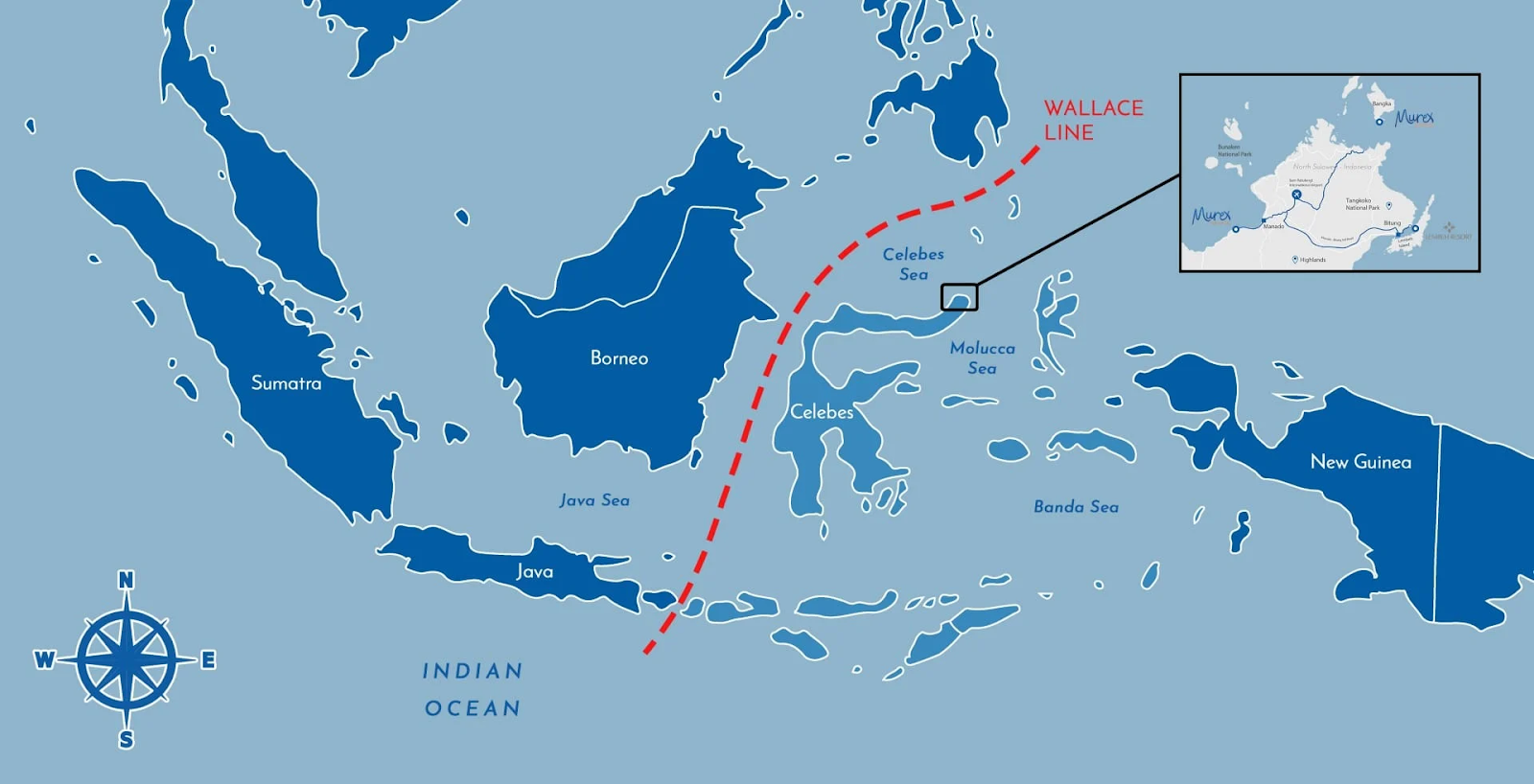
Wallace Line and Biodiversity


The Wallace Line is concept in biogeography. It marks the distinct biodiversity found in Asia and Australia. This line was identified by Alfred Russel Wallace in the late 19th century. He observed a sharp contrast in species composition between these two regions. The Wallace Line runs between Bali and Lombok, extending north between Borneo and Sulawesi, and curves south of Mindanao. This geographical barrier has deep implications for the distribution of species.

Alfred Russel Wallace’s Observations

Wallace conducted extensive research over eight years. He noted a dramatic shift in animal species as he crossed the Wallace Line. On either side of the line, different organisms thrived. For instance, Australia is known for its marsupials, while Asia is home to a diverse range of mammals. Wallace’s observations laid the groundwork for modern biogeography.

Unique Biodiversity of Sulawesi

Sulawesi is particularly intriguing. It is home to species not found anywhere else, such as tarsiers and the anoa. Despite being close to Borneo, the island supports distinct flora and fauna. Wallace struggled to classify Sulawesi’s species. He recognised their affiliations with various regions, including Africa and India. This complexity raises questions about species migration and adaptation.

Geological History and Species Distribution

The distribution of species can be traced back to geological events. The Malay archipelago comprises over 25,000 islands. Wallace theorised that these islands were once connected to the Asian mainland. As they drifted apart, species evolved independently. This isolation led to the unique biodiversity observed. Australia’s separation from Antarctica also contributed to the current distribution of species.

Recent Discoveries and Climate Impact

Recent studies reveal new vital information about species relationships across the Wallace Line. Research involving 20,000 species indicated that tropical islands remained warmer than Australia. This climate allowed Asian species to migrate more easily to Australia. Conversely, Australian species faced challenges in moving to Asia due to climatic differences. The findings suggest that the Wallace Line is more complex than initially thought.

Conservation and Future Challenges

Understanding the Wallace Line is crucial for conservation efforts. The Indo-Malayan archipelago is experiencing high rates of habitat destruction. Knowledge of historical species distribution can inform strategies to protect biodiversity. Advanced technologies and modelling are enhancing our understanding of species movement. Experts suggest focusing on habitat preservation rather than redrawing biogeographical lines.


International Research Awards on Civil and Environmental Engineering
==================================

Our Website: https://civil-engineering-conferences.scifat.com/
Award Nomination: https://civil-engineering-conferences.scifat.com/award-nomination/?ecategory=Awards&rcategory=Awardee
Contact us: civil@scifat.com

Follow us on social medias for more updates........

Tumblr: https://www.tumblr.com/alicecivil2727
Facebook: https://www.facebook.com/civilengineeringaward/
Instagram: https://www.instagram.com/civilengineeringaward/
pinterest: https://in.pinterest.com/civilbulk2727/
Twitter: https://x.com/LilyS2727


#WallaceLine #Biodiversity #Evolution #Biogeography #SpeciesDistribution #WildlifeConservation #EndangeredSpecies #EcologicalZones #NaturalHistory #FloraAndFauna #TropicalEcology #IslandBiogeography #EnvironmentalScience #EcosystemDiversity #HabitatConservation #Zoology #Botany #ClimateAndBiodiversity #NatureResearch #MarineBiodiversity


Abhay Chavan | Construction Management | Best Researcher Award #WorldResearchAwards

  Abhay Chavan is a researcher affiliated with the University of Oklahoma whose academic work focuses on construction management, offsite c...